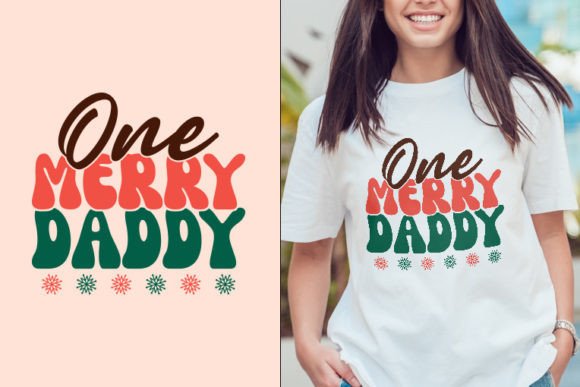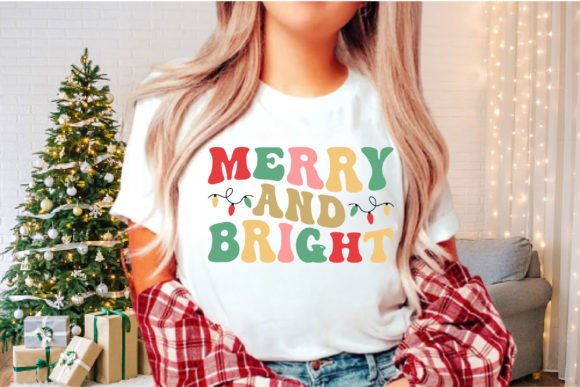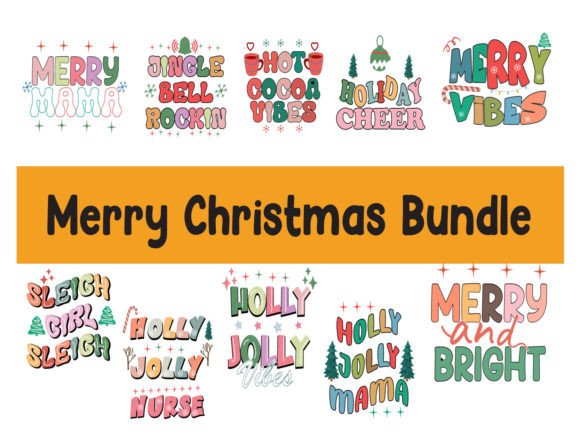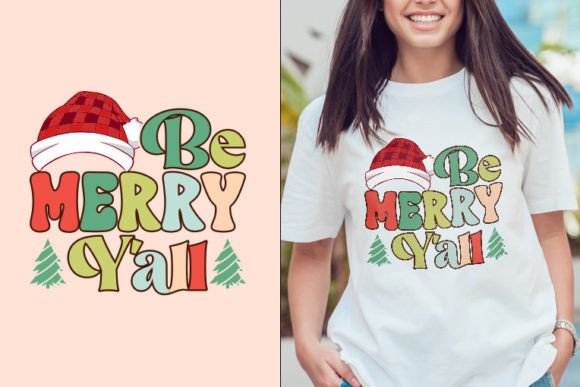
Be Merry Retro Christmas SVG Design
As a graphic designer who spends half my life staring at vector nodes and the other half troubleshooting tension issues on an embroidery machine, I have developed a healthy skepticism toward digital files that promise "viral" results. When Be Merry Retro Christmas SVG Design landed on my desk, I didn’t immediately think about holiday sales or Instagram trends. Instead, I thought about production efficiency, visual clarity, and whether this file would actually hold up when transferred from a screen to fabric.
The current market is saturated with generic holiday motifs—snowflakes, reindeer, and basic script fonts. What stands out here is the retro aesthetic. The design evokes a mid-century modern vibe, reminiscent of vintage television test patterns or classic diner signage. For an embroidery designer, this is crucial because retro styles often rely on bold shapes and limited color palettes, which translates beautifully to thread work. However, not all retro designs are created equal. Some suffer from overly intricate details that blur together in satin stitch, while others lack the visual weight needed to stand out on apparel.
First Impressions: Mood and Visual Personality
The first thing you notice about Be Merry Retro Christmas SVG Design is its confidence. It doesn’t try to be cute; it tries to be cool. The typography likely carries a heavy, rounded weight typical of 1950s or 60s advertising, paired with perhaps a stylized ornament or a simplified tree motif. This mood creates a specific emotional response: nostalgia without sentimentality. It feels curated, intentional, and slightly playful.
From a design perspective, the layout appears balanced. In embroidery, balance isn't just about symmetry; it's about stitch density distribution. If one side of the design is heavily filled with dense satin stitches and the other relies on sparse running stitches, the fabric can pucker or distort during stitching. Early inspection suggests that the negative space is used effectively, allowing the eye to rest and ensuring that the central message remains the focal point. This makes it an excellent candidate for custom apparel, particularly for brands aiming for a boutique, artisanal feel rather than a mass-produced look.
Real-World Application: From Screen to Stitch
Let’s talk about how this performs in a real project scenario. Imagine you are preparing a batch of holiday gifts for a local boutique or crafting personalized items for your Etsy shop. You decide to use a heavyweight cotton canvas for a tote bag design. This is where the retro theme shines. The bold lines of the design contrast sharply against the natural texture of the canvas, creating a striking visual impact that photographs well for printable mockups.
However, consider the application on a sweatshirt embroidery project. Here, the design needs to be robust. Thick fabrics can hide fine details, so the strength of the Be Merry Retro Christmas SVG Design lies in its simplicity. The curves and angles must be clean enough to maintain their shape even when stretched over the curvature of a shoulder or chest. If the design includes tiny decorative accents, they risk getting lost in the pile of fleece or sweatshirt material. Therefore, this design is best suited for structured garments like denim jackets, aprons, or structured caps where the fabric provides a stable foundation.
For baby embroidery, the softness of the retro style works in its favor. Unlike sharp, aggressive modern graphics, the rounded edges of this design feel gentle and safe. It translates well to personalized gift items such as bibs, burp cloths, or nursery wall hangings. The nostalgic appeal also resonates with parents who grew up with similar aesthetics, adding an extra layer of emotional value to the handmade product.
Technical Considerations and Potential Pitfalls
While the artistic merit is high, practical execution requires caution. Embroidery is a subtractive process in some ways—you are removing background fabric with every cut, but you are also adding bulk with every stitch. Here is where experienced designers need to scrutinize the file.
Hoop Size and Stability: Before jumping into production, confirm the recommended hoop size. If the design is large, it may require a multi-hooping sequence, which increases the risk of misalignment. Always check the registration marks. For smaller projects like embroidered patches or cap fronts, ensure the design fits comfortably within standard 4x4 or 5x7 inch hoops without feeling cramped.
Fabric Texture and Stretch: Avoid using this design on highly textured fabrics like bouclé or very thin, sheer materials. On stretchy knits, the tension of the stitch density can cause waviness, especially if the design relies heavily on satin stitch borders. A good rule of thumb is to test on a scrap piece of the exact fabric you plan to use. If the fabric distorts under the stabilizer, the final finished product will likely suffer from puckering.
Thread Color Contrast: The retro palette often features deep reds, forest greens, and creams. Ensure you have high-quality threads that offer good coverage. Low-quality polyester thread might show gaps in the fill stitch areas, ruining the solid look required for this style. Also, consider the background fabric. On dark fabrics, light cream threads may require a backing stabilizer or a lighter base thread to prevent transparency.
Practical Designer Notes for Success
- Test on Scrap Fabric: Never trust a file blindly. Stitch it out on the actual fabric type you intend to sell. Check for puckering, thread breaks, and alignment issues.
- Review Stitch Density: Look closely at the file structure. Are there areas where the density is too high, causing needle breakage? Is there enough space between elements to prevent overlapping stitches?
- Check Small Details: Zoom in on any lettering or small ornaments. If they are smaller than 0.1 inches, they may become illegible blobs after stitching. Simplify these elements digitally if necessary before importing them to your machine.
- Stabilizer Selection: Use the appropriate stabilizer for your fabric. Cut-away stabilizers are generally safer for knitwear and frequently washed items, while tear-away works well for woven fabrics like tote bags.
- Licensing Verification: As a commercial embroidery designer, you must verify the license terms. Does the purchase allow for unlimited commercial use? Can you sell finished goods? Ensure you have the rights to sell craft business items made from this digital embroidery file.
Final Verdict
Be Merry Retro Christmas SVG Design is more than just a seasonal graphic; it is a versatile tool for designers who understand the nuances of textile art. Its retro charm offers a refreshing alternative to traditional holiday clichés, appealing to customers looking for something stylish yet festive. Whether you are an Etsy seller looking to boost your holiday listings or a small shop owner creating branded merchandise, this design provides a strong visual foundation.
It excels in projects that prioritize clear, bold imagery over intricate detail. By respecting the technical limitations of embroidery and choosing the right fabric and stabilizer combinations, you can transform this vector template into a professional, high-value handmade product. It is a smart addition to any design assets library for the upcoming season, offering both aesthetic appeal and commercial viability.
In conclusion, if you are ready to elevate your embroidery project game with a touch of vintage flair, this design is worth the investment. Just remember: the magic happens in the preparation. Test thoroughly, choose wisely, and let the quality of your execution speak for itself.