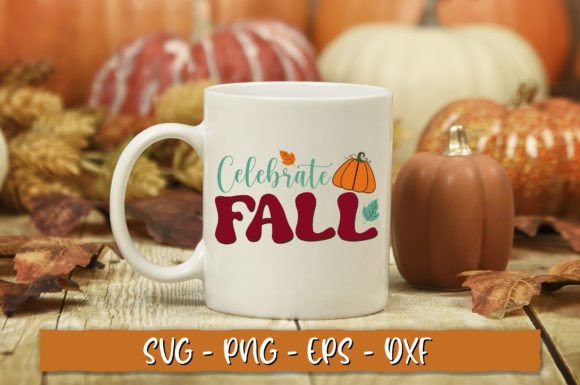
Celebrate Fall SVG, Retro Fall: A Designer's Stitch Test
When I first opened the file for Celebrate Fall SVG, Retro Fall, my immediate reaction was a sense of warmth. It isn't just another generic leaf or pumpkin icon; it carries a specific mood that feels nostalgic and inviting. As someone who spends hours evaluating embroidery files for real-world application, I look past the pretty preview image to see how the design actually behaves under the needle. This piece belongs squarely in the Crafts category, specifically within Graphics designed for digital creation, but its true value is revealed only when it transitions from a screen to fabric.
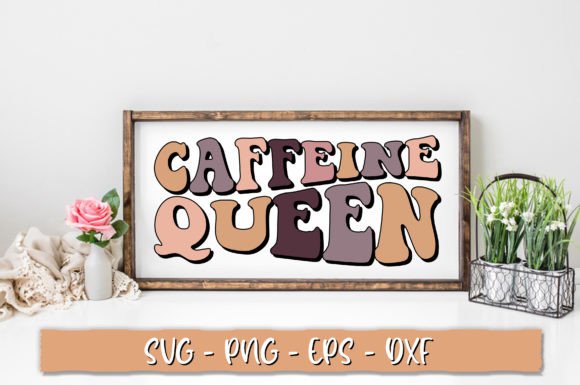
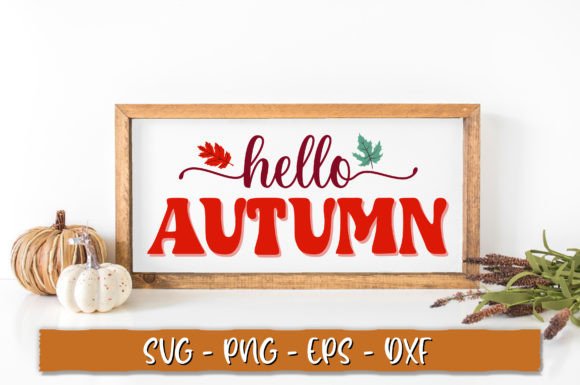
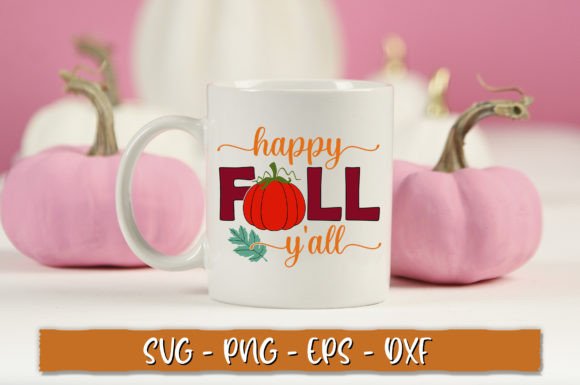
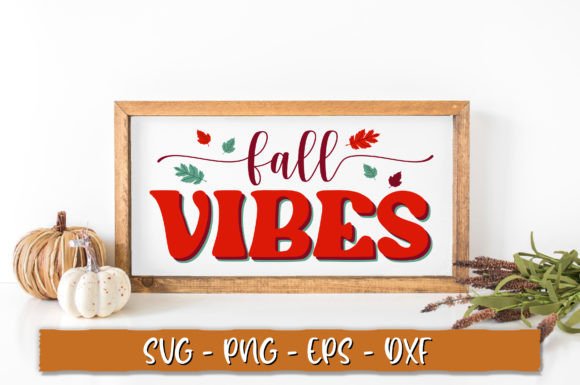
The "Retro" aesthetic in this design suggests a vintage color palette and perhaps a slightly distressed or bold typeface style. For an embroidery designer, this visual personality dictates exactly where the design fits best. It screams autumnal comfort, making it a natural candidate for cozy home goods and wearable art. Before I even loaded the stabilizer, I knew this design had the potential to be a hero piece for a holiday collection, provided we handle the execution with care.
From Digital File to Finished Product: A Real-World Scenario
Let's imagine a practical scenario. I am preparing a custom order for a local boutique owner who wants a limited run of embroidered tote bags for their fall market stall. The client loves the Celebrate Fall SVG, Retro Fall concept because it captures the essence of the season without being overly kitschy. She envisions these bags hanging on racks alongside handmade soaps and candles, serving as both a functional item and a marketing tool.
In this context, the design needs to hold up against frequent handling and washing. When I mentally mapped out the placement on a canvas tote, the layout felt balanced. However, the retro style often implies intricate details or specific line weights that can get lost if the stitch density is too high. If I were to stitch this directly onto a thin cotton blend without proper backing, the retro lines might distort, losing that crisp vintage charm. The success of this project hinges on choosing the right thread colors—perhaps muted mustard, burnt orange, and deep forest green—to honor the retro theme while ensuring the text remains legible after hundreds of washes.
This same logic applies if I were adapting Celebrate Fall SVG, Retro Fall for a baby onesie. The softness of the garment requires a lighter touch. A dense fill stitch could make the fabric stiff around the neckline, which is unacceptable for infant wear. Here, the design would need to be scaled down, perhaps focusing on the graphical elements rather than the full text block, ensuring the final product remains comfortable and safe while still delivering that personalized gift appeal.
Performance Across Different Embroidery Projects
The versatility of this design is one of its strongest assets for small business owners and Etsy sellers. It translates well across various mediums, from sweatshirt embroidery to embroidered patches. On a heavy-weight fleece sweatshirt, the retro vibe shines, offering a streetwear aesthetic that resonates with younger demographics. The contrast between the thick fabric and the detailed stitches creates a premium feel that customers are willing to pay for.
For kitchen towels or aprons, the design serves as a charming focal point. Imagine a set of three tea towels, each featuring a different seasonal variation of the retro theme. The running stitch elements, if present in the file, would add a lovely hand-stitched look that elevates the perceived value of the item. This kind of detail is crucial for commercial embroidery projects where brand consistency matters. A cohesive look across a product line builds trust with buyers who are looking for quality handmade goods.
I also see potential in using this as a tote bag design for craft fairs. The bold nature of retro graphics ensures visibility even from a distance. However, the effectiveness depends heavily on the thread choice. If the threads are too similar in tone to the fabric, the design disappears. Conversely, if they are too bright, the vintage mood is ruined. Finding that sweet spot is where the skill of the embroiderer comes into play.
Navigating Potential Pitfalls and Limitations
While the design is promising, no single file is perfect for every situation. There are specific scenarios where Celebrate Fall SVG, Retro Fall requires caution. Small hoop sizes are a major constraint. If you attempt to stitch the full design in a 4x4 hoop, the lettering may become cramped, and fine details could merge together, creating a muddy appearance. In such cases, splitting the design or scaling it down significantly is necessary, though this might alter the intended composition.
Textured fabrics pose another challenge. While a textured weave adds character, it can disrupt the uniformity of satin stitches. On a rough burlap or a highly napped fabric, the machine might struggle to pull the thread tight, leading to loose loops or uneven coverage. Similarly, stretchy fabrics like jersey require a very stable base. Without a strong cut-away stabilizer, the tension of the stitches could cause the fabric to pucker, ruining the clean lines of the retro font.
Dense stitch areas are also worth noting. If the design relies heavily on fill stitches to create the retro shapes, it might be too rigid for delicate items like baby clothes or lightweight scarves. Furthermore, dark fabrics demand careful thread selection. Light-colored threads on dark backgrounds will pop, but they may not convey the subtle, earthy tones that define the retro aesthetic unless you use metallics or variegated threads, which require special handling.
Design Notes for the Professional Maker
To ensure your finished product meets professional standards, there are several steps I recommend before running a production batch. First and foremost, always test the design on scrap fabric. This allows you to check thread color contrast and review the stitch density without risking your inventory. You need to verify that the hoop size accommodates the design comfortably and that the stabilizer chosen provides enough support for the specific fabric texture.
Inspecting small details is critical, especially for the lettering. Sometimes, what looks clear on a computer screen becomes illegible once stitched. Run a test in black and white mockups to ensure the design holds its shape regardless of color. Comparing light and dark fabric backgrounds will help you decide if you need to adjust the thread palette or add a background patch to enhance visibility.
For those selling handmade products or personalized gifts, understanding the licensing is non-negotiable. Before selling finished items or using this as a digital embroidery file for commercial purposes, confirm the terms of use. Some designs allow for unlimited sales, while others restrict the number of units or forbid resale entirely. Ignoring these terms can lead to legal issues and damage your reputation as an Etsy seller or small shop product creator.
Finally, consider the end-user experience. How will the customer react to the finished product? Does it feel durable? Is the presentation professional? A well-executed embroidery project using Celebrate Fall SVG, Retro Fall should evoke a sense of joy and nostalgia. It should feel like a labor of love, not just a mass-produced item. By paying attention to the nuances of stitch density, thread selection, and fabric compatibility, you transform a simple digital download into a treasured keepsake.
Whether you are creating holiday embroidery pieces, designing for a wedding gift, or building a brand identity for a boutique, this design offers a solid foundation. It is a reminder that good design is about more than just the initial image; it is about how that image survives the journey from the screen to the needle, and finally, into the hands of a happy customer.