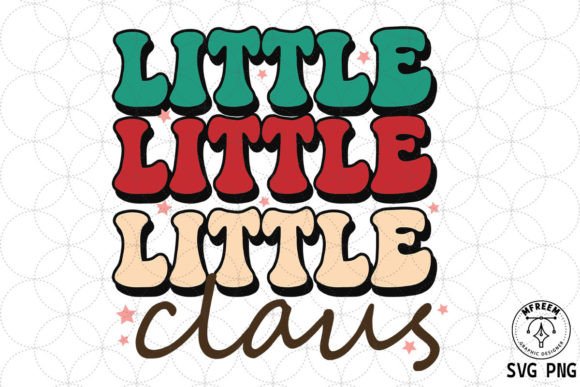
Little Claus Retro Christmas SVG Review
As a designer who spends half my life staring at stitch lines and the other half worrying about whether a client’s logo will survive a wash cycle, I don’t just look at a design file; I look at its potential. When Little Claus Retro Christmas SVG landed on my desk, my first instinct wasn’t to think about "Christmas vibes." It was to ask: how does this translate from a vector screen into thread? Can it hold up in a real-world embroidery project without looking muddy or overly complex?
This review is for the makers, the Etsy sellers, and the craft business owners who need to know if this asset is worth adding to their inventory. We are looking at this not as a static image, but as a functional piece of design assets that needs to perform under the needle.
First Impressions: Mood and Visual Personality
The moment you open the file, the retro aesthetic hits you. This isn’t your standard, sterile clip-art Santa. The Little Claus Retro Christmas SVG carries a specific nostalgia—a mid-century modern feel that feels warm, approachable, and slightly quirky. For a holiday embroidery project, this mood is critical. Customers today are moving away from overly traditional, stiff designs and toward things that feel hand-curated and personal.
The layout is clean. There is enough negative space in the vector structure that suggests it won’t overwhelm a garment when stitched out. The visual personality screams "boutique branding." If you are building a brand identity for a small shop product that needs to stand out on a crowded marketplace like Etsy, this design has the character to do it. It feels like something you would see on a high-end holiday gift tag or a curated gift box insert.
Real-World Application: Where Does It Fit?
Let’s talk about actual use cases. I often test new files by imagining them on specific products before I even load them into my digitizing software. Here is where Little Claus Retro Christmas SVG shines:
- Custom Apparel and Sweatshirts Embroidery: The retro style pairs beautifully with heavy cotton fabrics. Imagine this on a cream or oatmeal-colored sweatshirt. The contrast between the soft fabric texture and the crisp retro lines creates a premium look. It works well as a left-chest logo or a larger center-back print.
- Tote Bag Design: Canvas totes are a staple for craft fairs. This design is bold enough to be seen from a distance but detailed enough to reward a closer look. It adds a touch of whimsy to a utilitarian item, making it an attractive personalized gift.
- Baby Embroidery and Nursery Decor: The softer, rounded nature of the retro art style makes it suitable for baby clothes. However, this requires careful consideration of scale (discussed below). It fits perfectly on muslin blankets or nursery wall art prints derived from the digital file.
- Embroidered Patch: Because the design has a distinct shape, it lends itself well to being converted into an applique design or a cut-edge patch. These are high-margin items for any craft business.
When thinking about customer trust, presenting a finished product that looks intentional matters. A design that translates cleanly from screen to stitch signals professionalism. Buyers can often tell when a designer has tested their work. A clean machine embroidery design builds confidence that the item is durable and well-made.
Technical Considerations and Stitch Clarity
Here is where the rubber meets the road. As an experienced reviewer, I have to point out areas where caution is needed. The Little Claus Retro Christmas SVG is described as a high-resolution file (4500 x 5400 pixels), which gives us plenty of data to work with, but resolution doesn't equal stitchability.
Stitch Density and Detail: Retro designs often rely on solid shapes and clean lines. You need to ensure that the stitch density is appropriate for the fabric. If the fill stitch areas are too dense, the fabric might pucker, especially on lighter materials like tea towels or thin cotton blends. Conversely, if the details are too fine, they might get lost in the thread texture. I recommend converting the file to a monochrome view to check for tiny elements that might require excessive satin stitch work around corners.
Fabric Texture Interaction: On textured fabrics like wool felt or heavy denim, the design will absorb some of its detail. This can actually be a benefit, as it enhances the rustic, handmade feel. However, on smooth, slippery fabrics, you must use the proper stabilizer to prevent shifting. A shift here would ruin the symmetry of the retro layout.
Thread Colors: The success of this design hinges on color choice. A retro palette usually demands muted tones—mustard yellows, dusty reds, forest greens—rather than neon brights. Choosing the right thread colors is what separates a amateur-looking piece from a professional one. Test your thread samples against the fabric swatch before committing to a full run.
Where to Use It Carefully
Not every surface is created equal. While this design is versatile, there are specific scenarios where it might struggle:
- Small Hoop Sizes: If you are trying to fit this onto a tiny area, such as a child’s sock or a miniature ornament, you risk losing the integrity of the shape. Ensure the hoop size allows for the full design to breathe. If the design is scaled down too much, small details may merge into a blob.
- Stretchy Fabrics: Knits and stretchy jersey materials can distort the geometry of the design. Without adequate tear-away or cut-away stabilizer support, the running stitch outlines might warp, making the retro aesthetic look unintentional and sloppy.
- Curved Surfaces: Applying this to caps or hats requires careful digitizing to account for the curve. Flat designs often look distorted on curved surfaces unless specifically adapted. Check how the text or main graphic aligns with the curvature of the hat front.
- Dense Stitch Areas: Avoid placing this design over existing seams, pockets, or zippers. The added bulk can cause needle breakage or uneven stitching.
Practical Designer Notes for Implementation
Before you list this as a digital embroidery file for sale or use it in your own commercial embroidery projects, follow these steps:
- Test on Scrap Fabric: Always stitch out a sample on the exact fabric you plan to sell. What looks good on a white background screen might look completely different on a navy blue tote bag.
- Check Licensing: Since this is a digital download, verify the commercial usage rights. Can you sell the physical embroidered goods? Can you include the file in a bundle? Clear licensing protects your Etsy seller account and your reputation.
- Black and White Mockups: View the design in grayscale. This helps you assess the balance of light and dark areas, ensuring that no part of the design gets visually "lost" during the stitching process.
- Inspect Small Details: Zoom in on the original vector. Are there any hairline breaks or overlapping paths that could cause digitizing errors? Cleaning up the vector before conversion saves time and ensures a cleaner final product.
Final Verdict
The Little Claus Retro Christmas SVG is a strong contender for the holiday season. It offers a unique aesthetic that stands apart from the generic holiday clipart flooding the market. Its clean lines and nostalgic charm make it highly adaptable for custom apparel, gifts, and boutique branding.
However, its success depends entirely on execution. By paying attention to stitch density, choosing the right thread colors, and testing on appropriate fabrics, you can turn this digital asset into a tangible, high-value handmade product. For the savvy maker who understands the nuances of embroidery, this design provides a solid foundation for creating memorable, professional-grade holiday merchandise.
If you are looking to add a touch of retro warmth to your craft business offerings, this is a design worth investing the time to perfect. Just remember: the file is only the start; the magic happens in the stitching.