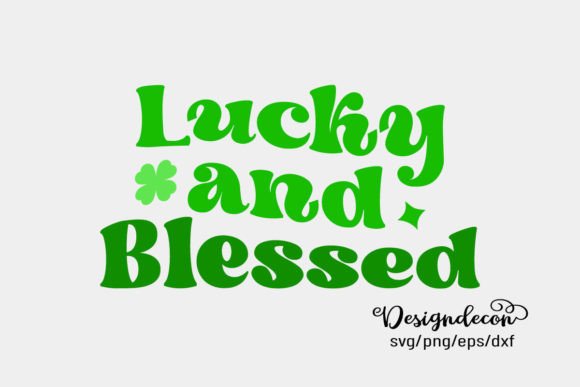
Lucky and Blessed Retro Groovy SVG Review
When I first opened the Lucky and Blessed Retro Groovy SVG file, my immediate reaction was a sense of nostalgia mixed with modern practicality. As someone who has spent years digitizing patterns and reviewing designs for real-world embroidery projects, I look past the flashy preview images to see how the stitches will actually behave on fabric. This design captures that specific 1970s "groovy" aesthetic without feeling cluttered or dated. It feels like something you would want to wear or gift during the St. Patrick's Day season, but with enough timeless charm to fit into a boutique collection year-round.
The visual personality of this piece is distinct. The typography flows with a relaxed confidence, suggesting a casual, fun vibe rather than stiff formalwear. For an embroidery designer, the layout is crucial because it dictates how the thread density interacts with the garment. In this case, the curves of the letters suggest a fluid motion that works beautifully with satin stitch columns, while any decorative elements likely rely on clean fill stitches to maintain their retro shape. It creates a mood that is welcoming and celebratory, perfect for creating handmade products that feel personal and thoughtfully designed.
Real-World Application: From Digital File to Finished Product
Let's talk about where this design truly shines in a practical setting. Imagine you are preparing inventory for a local craft fair or restocking your Etsy shop. You have a stack of natural canvas tote bags waiting for decoration. The Lucky and Blessed Retro Groovy SVG fits perfectly here. The contrast between the vintage font style and the sturdy texture of canvas makes for an instant statement piece. Unlike overly intricate designs that get lost on thick fabrics, this graphic has enough weight to stand out without overwhelming the bag.
I also envision this design on a baby onesie or a soft cotton sweatshirt. The retro theme pairs wonderfully with pastel colors or classic black and white combinations. When stitching onto stretchy knit fabrics, the balance of the design matters. If the lettering is too tight, it might pucker; if it is too loose, it lacks definition. Based on the clean lines typical of this style, it appears to be optimized for medium-density stitching, which ensures the design holds its shape even after multiple washes. This reliability is essential for small business owners who need their finished products to look professional right out of the package.
For those looking to create holiday gifts, this file offers versatility beyond just green shirts. Picture a set of embroidered kitchen towels featuring this design alongside a matching apron. The text "Lucky and Blessed" adds a touch of warmth and sentimentality that customers love when buying personalized gifts. It transforms a standard kitchen item into a keepsake, increasing the perceived value of the product. Whether you are selling a custom cap or a pillow cover, the design assets provided allow for easy color changes, meaning you can adapt the same file for different seasonal themes or brand identities.
Where Caution Is Required: Fabric and Placement
While this design is robust, every embroidery project requires strategic planning. There are specific scenarios where the Lucky and Blessed Retro Groovy SVG needs careful consideration. First, consider the hoop size. If you attempt to stitch this on a very small area, such as the side of a baseball cap or a tiny patch for a jacket lapel, the detail might become compressed. The curves of the retro font require enough space to breathe so they don't merge together under the presser foot.
Textured fabrics present another challenge. While the design looks great on smooth cotton or canvas, applying it to a heavy boucle wool or a highly textured linen might obscure the fine details of the stitching. The thread may not lay flat against uneven surfaces, leading to a less crisp finish. Similarly, thin or sheer fabrics should be avoided unless heavily stabilized. Without proper support, the tension required for the satin stitch could cause the fabric to gather or tear.
Dark fabrics also demand attention. Although the vector file allows for easy color changes, using light threads on dark backgrounds can sometimes result in a lack of visibility if the thread count is low. Conversely, dark threads on dark fabrics might disappear entirely. Testing a swatch is non-negotiable here. Additionally, if you are working with dense stitch areas, ensure your stabilizer matches the fabric weight. A design that looks perfect on a mockup might fail in production if the underlying support isn't sufficient to handle the pull of the machine needles.
Design Notes for the Professional Embroiderer
If you are incorporating this into your commercial workflow, there are several technical steps to take before running a full production batch. Start by testing the design on scrap fabric that mimics your final material. This helps you gauge the stitch density and determine if any adjustments are needed for your specific machine. Check the thread color contrast carefully; a groovy yellow or orange thread might pop on black, but it could look muddy on a deep green background.
Review the small details within the design. Sometimes, what looks like a single line in a digital preview might split into two distinct paths when digitized. Inspect these corners to ensure they won't snag or break during the high-speed stitching process. It is also wise to test the design in black and white mockups first. This removes the distraction of color and lets you focus purely on the composition and readability of the text.
Confirm whether the license terms allow for both personal and commercial use. Many designers sell these files with restrictions on how many finished items you can produce. Before listing a handmade product on Etsy or selling at a craft fair, verify the licensing agreement. Using a design commercially without the proper rights can lead to serious legal issues. Furthermore, check if the file includes the necessary formats for your workflow. While the description mentions EPS, SVG, DXF, and PNG, ensure you have the specific embroidery format (like PES, DST, or EXP) compatible with your machine software.
Elevating Your Craft Business with Strategic Design Choices
The right design does more than just decorate; it builds trust and enhances brand consistency. When customers receive a product with clean, well-executed embroidery, they associate that quality with your entire business. The Lucky and Blessed Retro Groovy SVG offers a polished look that elevates simple items like tote bags or aprons into premium goods. It signals to the buyer that you care about the details, from the choice of thread to the precision of the stitch.
For creative entrepreneurs, having a library of versatile graphics like this one is invaluable. It allows you to respond quickly to trends, such as the resurgence of retro styles, without needing to commission new artwork. The ability to resize and recolor means you can create cohesive collections across different product categories. Whether you are making a baby gift set or a boutique branding package, this design provides the foundation for a professional presentation.
In conclusion, evaluating an embroidery file requires a mix of artistic intuition and technical know-how. The Lucky and Blessed Retro Groovy SVG succeeds because it balances aesthetic appeal with functional structure. It is a strong candidate for custom apparel, holiday gifts, and small shop merchandise, provided you respect the limitations of the fabric and the machine. By following practical testing protocols and understanding the nuances of stitch density and stabilization, you can turn this digital asset into a tangible, high-value finished product that your customers will cherish.