Real Review: Retro Christmas SVG, Santa Babe SVG for Embroidery
I have spent years reviewing digital assets for my own handmade shop and for clients who run boutique embroidery businesses. When I first saw the Retro Christmas SVG, Santa Babe SVG, my immediate reaction was one of genuine excitement. It hits that sweet spot between nostalgic charm and modern aesthetic that sells incredibly well during the holiday season. But as an experienced designer, my job isn't just to look at a pretty image; it is to mentally stitch it out on fabric, visualize the thread density, and determine if it will hold up under real-world wear.
This review breaks down exactly how this design performs when transitioning from a digital file to a tangible handmade product. Whether you are an Etsy seller looking to expand your inventory or a crafter preparing a personalized gift, here is what you need to know about using this embroidery project asset in your workflow.
The First Impression: Mood and Visual Personality
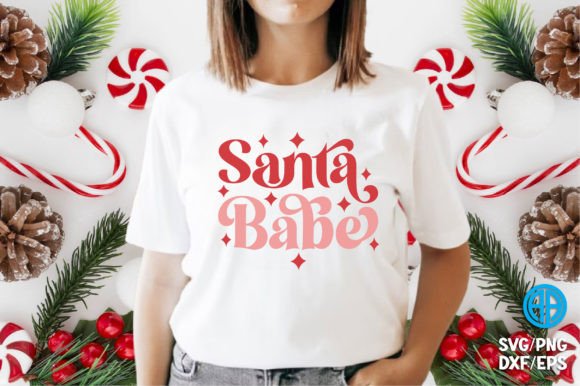
The moment you load the Retro Christmas SVG, Santa Babe SVG into your software, the mood shifts. The "Retro" aspect suggests warm tones, perhaps a bit of grain or vintage typography, while the "Santa Babe" element adds a playful, slightly cheeky twist on traditional holiday iconography. This is not your standard solemn reindeer scene; it has attitude. For a small business owner, this personality is gold because it stands out against the sea of generic snowflakes and candy canes.
In terms of layout, the design feels balanced enough to work on various items without feeling cramped. The visual weight is distributed in a way that suggests it will translate well into a central chest placement on a sweatshirt or a focal point on a tote bag. However, the retro style often relies on clean lines and specific curves. If you plan to use this as an applique design, the shapes need to be distinct enough to cut cleanly. If it is purely a stitch pattern, the curves must be smooth enough to avoid puckering on the final finished product.
Real-World Application: From Screen to Stitch
Let's imagine a practical scenario. You are prepping for the holiday rush and want to create a line of custom embroidered baby onesies and matching aprons for a local boutique. You pull the Retro Christmas SVG, Santa Babe SVG into your digitizing software. How does it behave?
For the baby clothes, the design needs to be soft and gentle despite the "babe" title. On a onesie, this design would likely shine as a cute, centered motif. The retro elements add a layer of sophistication that parents love, making the item feel like a keepsake rather than just disposable holiday wear. When you simulate the stitching, you want to ensure the satin stitch areas (likely outlining the main figure) are not too dense, which could make the fabric stiff around a baby's neck.
Now, consider the apron or kitchen towel application. Here, the design takes on a different role. As a tote bag design or apron graphic, the larger scale allows for more detail to breathe. The fill stitch areas should provide good coverage without creating a heavy, cardboard-like texture. If you are selling these as part of a gift set, the visual appeal of the Retro Christmas SVG, Santa Babe SVG elevates the perceived value of the entire package. Customers buying a personalized gift want to see that the decoration looks professional and intentional.
When used on caps or hats, the curvature of the fabric changes everything. A design that looks perfect flat might distort on a curved surface. The embroidery file provided must account for this, or you may need to adjust the digitization to compensate for the hat's dome. If the design features tiny lettering or intricate corners, those details often get lost on a cap brim. In that case, this design might be better suited for a flat patch or a pillow cover where the surface remains stable.
Where to Exercise Caution
While the Retro Christmas SVG, Santa Babe SVG is versatile, there are specific scenarios where a designer needs to be extra careful. Not every craft business item is created equal, and the fabric choice matters immensely.
Small Hoop Sizes: If you are working with a 4x4 hoop or smaller, check the dimensions of the design carefully. Retro styles sometimes include decorative borders or text that can eat up valuable space. If the design is too large for the hoop, you risk misalignment or losing critical details in the center of the garment.
Textured and Stretchy Fabrics: Embroidering on stretchy materials like thin t-shirts or knits requires a sturdy stabilizer. If the stitch density is high, the fabric might pucker significantly. Similarly, textured fabrics like fleece or boucle can hide fine details. The running stitch or delicate outlines might disappear into the nap of the fabric, leaving only the bold shapes visible. Always test on a scrap piece of your actual production fabric before committing to a full order.
Dense Stitch Areas: If the design includes large blocks of solid color, ensure the digitizing instructions allow for proper water-soluble backing or tear-away stabilizer. Without this, the back of the embroidery can become a tangled mess, which affects the comfort of the wearer and the professionalism of the small shop product.
Dark Fabric Challenges: While the file formats (SVG, PNG, EPS, DXF) are great for cutting machines, converting them for machine embroidery on dark fabrics often requires a light-colored underlay or a specific thread color strategy. If the design relies on white highlights, you must ensure you have the right thread count to cover the dark background effectively.
Impact on Brand and Customer Trust
In the world of Etsy sellers and digital product sellers, presentation is everything. A well-executed embroidery project builds trust. When a customer receives a holiday gift or a piece of custom apparel with crisp, clear stitching from the Retro Christmas SVG, Santa Babe SVG, they associate that quality with your brand.
Conversely, if the thread colors clash or the hoop size causes distortion, the design assets lose their power. The retro aesthetic demands precision; sloppy stitching ruins the vintage vibe instantly. By taking the time to verify the machine embroidery design settings, you protect your reputation. Your customers are looking for uniqueness, but they also expect reliability. This design offers a unique look, but it is your execution that seals the deal.
Practical Designer Notes Before You Start
Before you upload this to your machine or start your next commercial project, keep these checklist items in mind to ensure success:
- Test on Scrap: Never skip the scrap fabric test. It reveals issues with tension, puckering, and thread breakage that you cannot see on screen.
- Check File Formats: You will receive file formats – SVG – PNG 300 dpi Transparent – EPS – DXF. Ensure you are using the correct format for your specific machine software. The SVG is excellent for cutting machines, but for embroidery, you may need to convert or import it into your digitizing tool to adjust stitches.
- Review Stitch Density: Look closely at the simulated stitch path. Are there areas where the needle will crowd itself? Adjust the density if necessary to prevent holes in the fabric.
- Confirm Licensing: If you plan to sell finished items made with this design, double-check the license terms. Some graphics are for personal use only, while others allow for limited commercial sales.
- Mockup Testing: Create black and white mockups to see how the contrast holds up. Then, compare light and dark fabric backgrounds to ensure the design pops regardless of the base material.
- Stabilizer Selection: Match your stabilizer to the fabric weight. Heavy duty for towels and bags; lightweight for baby clothes and tees.
The Retro Christmas SVG, Santa Babe SVG is a strong contender for anyone looking to add a touch of festive flair to their portfolio. It balances nostalgia with modern trends, making it highly marketable for apparel decorators and creative entrepreneurs. However, the difference between a good product and a great one lies in the preparation. Take the time to respect the design, understand its limitations, and execute with care. When you do, the result is a commercial embroidery piece that customers will cherish long after the holidays are over.